AT A GLANCE

Reading Time
15–20 minutes

Who This Guide Is For
Americans comparing places to live in the Lisbon area.

You’ll Learn
- Lifestyle — Begin with your ordinary routine.
- Location — Compare access, housing, and everyday tradeoffs.
- Fit — Identify places that suit your priorities.
- Visits — Test shortlisted areas before committing.

Key Takeaway
The best area is the one that supports the life you plan to live.
Find your Lisbon-area fit
Use the selector as an advisory shortlist, then compare the complete approved article below. It does not declare an objective best place.
Explore all areas
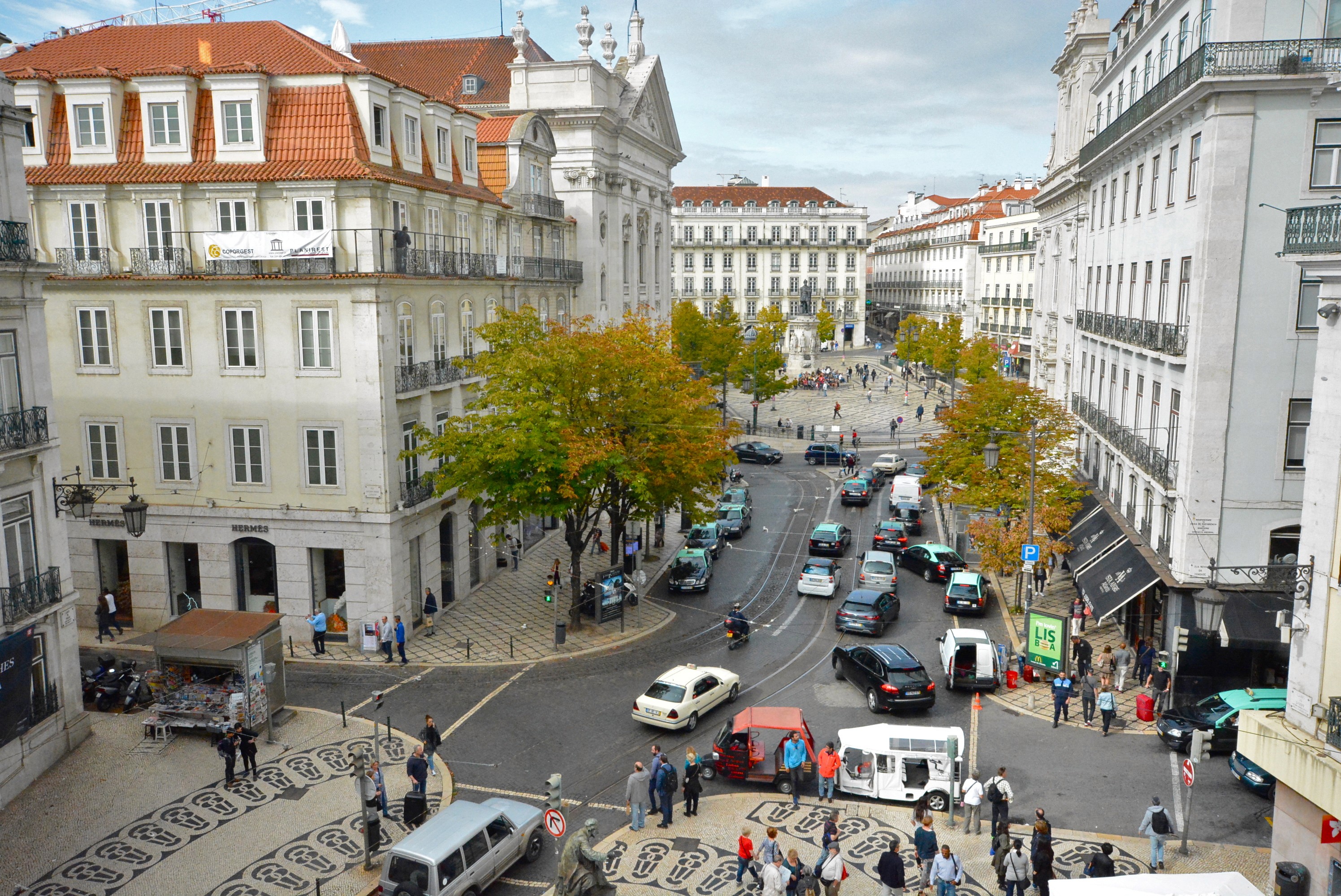
Lisbon
Choose it for: City life, services and proximity
Accept that: Less space, parking constraints and a more urban pace
Read the full Lisbon section
Oeiras
Choose it for: Lisbon access with more residential calm
Accept that: The municipality is not uniformly walkable or rail-served
Read the full Oeiras section
Cascais
Choose it for: Beaches, amenities and an established international environment
Accept that: Premium pricing and strong micro-market differences
Read the full Cascais section
Sintra
Choose it for: Variety, character, nature and housing choice
Accept that: Sintra is too varied to evaluate as one market
Read the full Sintra section
Loures
Choose it for: Space, practical services and northern access
Accept that: Transport and neighborhood character change quickly
Read the full Loures section
Costa da Caparica and the Almada area
Choose it for: Ocean access and an informal coastal routine
Accept that: Seasonal pressure and cross-river travel must be tested
Read the full Costa da Caparica and the Almada area section
Setúbal
Choose it for: City services, waterfront life and regional independence
Accept that: Regular Lisbon travel can dominate the decision
Read the full Setúbal section
Azeitão
Choose it for: Space, privacy and a calmer home base
Accept that: Driving and property maintenance are normally part of the package
Read the full Azeitão section
Sesimbra
Choose it for: Sea, nature and outdoor living
Accept that: The Lisbon connection can be demanding, especially from the coast
Read the full Sesimbra sectionChoosing where to live near Lisbon is really a choice among different versions of daily life.
You can live in the middle of a European capital, follow the coast west through Oeiras and Cascais, look north toward the varied municipalities of Sintra and Loures, or cross the Tagus for beaches, houses, nature and a different relationship with the city. None of these choices is automatically better. Each gives you something and asks you to accept something in return.
For most buyers, the best place is the one that fits the routine they will repeat every week: where they work, how often they need the airport, whether they want to walk for coffee, how much they are willing to drive, whether they need outdoor space, and how they expect their life to change over the next five or ten years.
This guide compares nine recognizable search areas:
- Lisbon
- Oeiras
- Cascais
- Sintra
- Loures
- Costa da Caparica and the Almada area
- Setúbal
- Azeitão
- Sesimbra
These are not nine equivalent administrative units. Lisbon, Oeiras, Cascais, Sintra, Loures, Almada, Setúbal and Sesimbra are municipalities. Costa da Caparica is within Almada municipality, while Azeitão is a distinct local area within Setúbal municipality. That distinction matters when you compare property-market statistics, taxes, planning information or public services. A municipality-wide number may describe the available dataset without describing the street or village where you are considering a home.
Start with your Tuesday, not your vacation
Many people choose a location while imagining Saturday: lunch by the water, a market, a beach walk or a quiet afternoon in the garden. Those things matter. But the better test is an ordinary Tuesday.
Where will you buy groceries? Can you walk there carrying them? How often will you go into Lisbon, and at what time? If you have children, what does the school journey look like? If you work remotely, is the home itself suitable for a full workday? If one person drives, what happens to the other? Where is the nearest useful train, ferry or bus—not simply the nearest stop on a map? What does the trip home feel like after dinner in Lisbon or an evening flight?
Use these questions to define the search before you start saving listings:
- Urban energy or residential calm: Do you want activity outside your door, or do you want to leave activity and return home to quiet?
- Walkability or space: Would you rather walk to daily needs, or have a larger home, garden, garage or view?
- Transit or driving: Do all adults drive confidently in Portugal? Will anyone regularly depend on public transport?
- City, coast or countryside: Is the water part of your daily life, an occasional pleasure, or less important than land and privacy?
- Housing type: Are you truly comfortable in an apartment and condominium, or is a house central to the move?
- Airport frequency: A frequent traveler may value airport access differently from someone who flies four times a year.
- Healthcare and recurring appointments: Occasional access and weekly access are different requirements.
- Present life and future life: A location that works while everyone drives may feel different after retirement, illness or a change in family responsibilities.
Lisbon: choose the city, not merely the address
At a glance
- Setting and daily rhythm: urban, walkable and socially connected
- Typical housing: primarily apartments with major neighborhood and building variation
- Mobility: the broadest public-transport range; a car may be unnecessary
- Choose it for: city life, services and proximity
- Accept that: space, parking and quiet require sharper compromises
Lisbon offers the strongest version of urban life in this comparison. It has the broadest combination of public transport, restaurants, culture, healthcare, professional services and everyday opportunities to live without organizing the day around a car.
That does not mean every Lisbon neighborhood is equally walkable, flat, quiet or well connected. The municipality contains historic districts, business corridors, riverfront redevelopment, traditional residential neighborhoods and outer areas with very different housing and transport patterns. Two Lisbon apartments of similar size can produce completely different lives depending on the hill, street, transit connection, building and immediate surroundings.
The typical housing search is apartment-led. Buyers should pay close attention to elevators, stairs, noise, solar orientation, insulation, parking, condominium finances and the legal status of altered interiors or enclosed balconies. A beautiful apartment on a charming street can still be the wrong choice if every practical journey begins with a steep climb or if nighttime activity conflicts with the life you want at home.
Lisbon is especially compelling for people who want the city to be part of their daily identity: professionals with frequent meetings, households that prefer to walk or use transit, people who enjoy spontaneous social life, and anyone who sees a smaller home as a reasonable exchange for convenience.
Choose Lisbon for: the broadest urban routine, public transport and proximity to services.
Accept that: space, parking, quiet and building quality often require sharper compromises.

Oeiras: the practical middle ground
At a glance
- Setting and daily rhythm: practical coastal-suburban living
- Typical housing: apartments, established neighborhoods and selected house markets
- Mobility: rail is useful near the Cascais line; inland routines vary
- Choose it for: Lisbon access with more residential calm
- Accept that: the municipality is not uniformly walkable or rail-served
Oeiras is often treated as the space between Lisbon and Cascais. That undersells it. For many households, its appeal is precisely that it can function as a practical middle ground: residential, close to the river or coast in parts, connected to employment centers and positioned for access in both directions.
The municipality includes rail-served areas along the Cascais line as well as inland neighborhoods where a car or bus connection becomes much more important. Algés, Oeiras, Paço de Arcos, Caxias, Carnaxide, Linda-a-Velha and Porto Salvo should not be treated as interchangeable. Some feel connected to Lisbon’s urban edge; others feel distinctly suburban; still others are shaped by office parks, roads or lower-density residential development.
Housing can include older apartments near established centers, newer condominium developments, family houses and higher-end coastal property. The search should begin with the actual transport and daily-service radius around each address. “In Oeiras” does not tell you whether you can walk to a station, whether the waterfront is part of daily life, or whether the household will need two cars.
Oeiras can suit buyers who want easier access to Lisbon than the farther coast may provide, but who do not need to live in the center. It can also work well for people whose employment, school or family routine is already concentrated along the western corridor.
Choose Oeiras for: a residential base with strategic access to Lisbon and Cascais.
Accept that: the lifestyle advantage depends heavily on the specific neighborhood and its transport connections.

Cascais: coastal life with a premium attached
At a glance
- Setting and daily rhythm: coast-oriented, polished and internationally familiar
- Typical housing: apartments, townhouses, villas and premium coastal homes
- Mobility: rail supports the coastal corridor; inland areas favor driving
- Choose it for: beaches, amenities and an established international environment
- Accept that: premium pricing and micro-market differences shape the search
Cascais has an easy international reputation to understand. It combines Atlantic coastline, beaches, a recognizable town center, established services and a large selection of leisure activities. For newcomers, it can feel accessible quickly.
But “Cascais” covers much more than the postcard center. The municipality includes places with rail access and walkable centers, quieter residential districts, coastal areas exposed to wind, and inland neighborhoods where driving is part of the bargain. Cascais town, Estoril, Carcavelos, Parede, São Domingos de Rana, Alcabideche and the western coastal areas offer different housing, mobility and daily rhythms.
Apartments close to the train and town centers may support a lower-car lifestyle. Villas and larger homes often sit farther from rail and daily services. The municipality can offer polished condominiums, older apartments, townhouses and substantial detached homes, but buyers should not assume that a Cascais postal address guarantees an ocean view, walkability or an easy commute.
The premium is not only financial. Competition can encourage buyers to compromise too quickly on location, condition or documentation because they are attached to the name. A disciplined search separates the value of the municipality’s reputation from the value of the specific home.
Cascais is strongest for households that genuinely want the coast to shape daily life and have the budget to choose their micro-location carefully.
Choose Cascais for: beaches, amenities and an established international coastal environment.
Accept that: the name commands attention, and the most convenient locations commonly command the strongest competition.
Sintra: a municipality that cannot be summarized honestly
At a glance
- Setting and daily rhythm: rail-connected suburb, mountain village, countryside or Atlantic coast
- Typical housing: apartments, traditional houses, villas, estates and rural property
- Mobility: strong in selected rail corridors and car-dependent elsewhere
- Choose it for: variety, character, nature and housing choice
- Accept that: every conclusion depends on the precise town and property
Sintra may be the most misunderstood option in this guide because people often use one name for several fundamentally different environments.
There is historic Sintra, with its landscape, tourism and distinctive architecture. There are dense, rail-connected urban areas closer to Lisbon. There are established residential towns, mountain communities, rural properties and Atlantic villages. A person who says “I live in Sintra” may be describing an apartment with a commuter train nearby, a villa in a wooded setting or a house near the western coast.
This variety creates real opportunity. Buyers may find traditional houses, apartments, larger villas, estates and rural properties within the same municipality. It also makes broad claims about price, weather, commute or walkability nearly useless without a micro-location.
The Sintra rail corridor can make some areas practical for regular Lisbon travel. Elsewhere, road access, parking and a car become central. The mountain and coastal landscape also introduces property-specific questions about moisture, sun exposure, wind, vegetation, access and maintenance. A romantic house in a green setting deserves an equally serious inspection of the roof, drainage, walls and year-round conditions.
Sintra is a strong candidate for buyers who want character or more varied housing and are willing to research a precise location. It is a poor candidate for anyone choosing the municipality based only on a weekend visit to the historic center.
Choose Sintra for: extraordinary variety, landscape and housing possibilities.
Accept that: every meaningful conclusion must be made at the town, neighborhood and property level.
Loures: close to Lisbon, but not one simple suburb
At a glance
- Setting and daily rhythm: urban edge, established towns and semi-rural living
- Typical housing: apartments, family houses, newer development and rural property
- Mobility: highly address-dependent despite proximity to Lisbon and the airport
- Choose it for: space, practical services and northern access
- Accept that: transport, noise and neighborhood character change quickly
Loures deserves more attention from buyers than it usually receives. It sits immediately north and northeast of Lisbon and includes urban areas near the capital, established towns, logistics and employment corridors, newer residential development, wine country and more rural landscapes.
That breadth is the opportunity—and the complication. Moscavide and Sacavém relate to Lisbon differently from central Loures, Santa Iria de Azóia, Bucelas or the municipality’s lower-density northern areas. Proximity to the airport may be valuable for frequent travelers, but distance on a map does not establish an easy daily journey. Aircraft noise, roads, transit connections and traffic patterns must be tested from the exact property.
Housing can range from apartments in dense urban areas to family houses and properties with more land. Loures may appeal to buyers who prioritize practical services, access to the north or east, proximity to Lisbon’s edge, or more house for the search budget than the best-known western markets might provide.
The key is not to search “Loures” as though it were a single lifestyle. Define whether you want urban-edge convenience, a traditional town, newer suburban housing or semi-rural space. Then evaluate the relevant subarea on its own terms.
Choose Loures for: variety, northern access, practical services and overlooked housing options.
Accept that: transport, noise, density and neighborhood character can change substantially within a short distance.
Costa da Caparica and Almada: put the beach into the weekly routine
At a glance
- Setting and daily rhythm: beach-first living within the Lisbon orbit
- Typical housing: apartments, older beach homes, townhouses and selected houses
- Mobility: road and bus conditions matter; Costa da Caparica has no direct train
- Choose it for: ocean access and an informal coastal routine
- Accept that: seasonal pressure and cross-river travel need personal testing
Costa da Caparica offers something different from the western coast: a long Atlantic beach environment on the south side of the Tagus, within the wider Almada municipality and Lisbon metropolitan area.
For the right household, the appeal is direct. The beach can become part of ordinary life rather than a planned excursion. The atmosphere is generally more informal than the best-known Cascais markets, and the surrounding Almada area offers additional urban services and connections.
The tradeoff is mobility. Costa da Caparica does not have a direct passenger rail line into Lisbon. Depending on the address and destination, the practical trip may involve a bus, car, ferry connection, light rail connection or a combination. Cross-river travel is sensitive to route, time and the condition of the bridges and approaches. A commute that appears acceptable on Sunday deserves a weekday test in both directions.
The property search should also account for seasonal conditions. Beach access, parking, wind, salt exposure, summer activity and winter dampness can all affect how a home feels and what it costs to maintain. Coastal proximity is not a substitute for inspecting windows, facades, roofs, ventilation and condominium planning.
Use “Costa da Caparica” precisely. It is not shorthand for every part of Almada, and municipality-level figures will include areas with different housing and transport characteristics.
Choose Costa da Caparica for: an ocean-centered lifestyle within the metropolitan region.
Accept that: the Lisbon connection and seasonal reality must be experienced, not inferred from distance.
Setúbal: choose a real city, not a distant Lisbon bedroom
At a glance
- Setting and daily rhythm: a self-contained Portuguese city beside coast and nature
- Typical housing: apartments, urban houses and surrounding residential areas
- Mobility: rail reaches Lisbon, but daily life is centered on Setúbal
- Choose it for: city services, waterfront life and regional independence
- Accept that: frequent Lisbon travel can dominate the decision
Setúbal works best when buyers appreciate it as a city in its own right. It has an urban center, waterfront, daily services and a strong relationship with the Sado estuary, Arrábida landscape and surrounding region. It is not simply a cheaper version of Lisbon.
The housing search includes apartments in and around the city, traditional buildings, newer development and houses in surrounding areas. The condition, parking, street environment and relationship to services vary considerably. Some households can organize daily life around the city; others will rely more heavily on a car.
Fertagus connects Setúbal with stations on the south bank and in Lisbon. That connection can make occasional or regular Lisbon travel possible, but the existence of a train should not settle the decision. Consider the full door-to-door journey, the schedule you actually keep and what happens when the destination is not close to a Lisbon station.
Setúbal can be an excellent fit for someone who wants city services without living in the capital, values access to nature and coastline, and is comfortable building a local life. It is less convincing when nearly every important relationship, appointment and activity remains in Lisbon.
Choose Setúbal for: an independent city, waterfront setting and access to the wider Arrábida and Sado region.
Accept that: if Lisbon remains the center of your life, the travel burden can become the dominant fact.
Azeitão: space and village life, with a car at the center
At a glance
- Setting and daily rhythm: village-centered life with countryside nearby
- Typical housing: houses, villas, quintas and lower-density neighborhoods
- Mobility: driving is normally central; the village area has no station
- Choose it for: space, privacy and a calmer home base
- Accept that: maintenance and less spontaneity without driving are part of the tradeoff
Azeitão offers a lower-density alternative between the Setúbal side of Arrábida and the south-bank connections toward Lisbon. Buyers are often drawn to houses, gardens, villas and quintas rather than an apartment-led urban search.
The appeal is not simply “more space.”? It is a different rhythm: local commerce, village centers, nearby wine and food traditions, access to countryside and the possibility of making the home itself a larger part of daily life. For buyers leaving a dense American city, that can feel like a profound change rather than a minor move outward.
The tradeoff is car dependence. Azeitão does not have a passenger rail station in the village area. Bus service and drive-to-rail options may help, but the exact address and household schedule determine whether they are genuinely useful. A couple should consider how life works with one car, two cars or temporarily no car.
House and quinta searches also require a wider due-diligence lens. Outbuildings, pools, wells, septic arrangements, boundaries, road access, walls, annexes and converted spaces should be compared with the legal and municipal records. Land that looks generous and a building that looks useful do not establish the approved area or permitted use.
Choose Azeitão for: houses, gardens, privacy and a village-centered home life.
Accept that: driving and property maintenance are usually part of the package.
Sesimbra: distinguish the coast from the municipality
At a glance
- Setting and daily rhythm: coastal-town or lower-density life near Arrábida
- Typical housing: apartments near town and varied houses farther inland
- Mobility: Sesimbra town has no rail; patterns differ sharply by subarea
- Choose it for: sea, nature and outdoor living
- Accept that: coast, rail access and Lisbon convenience occur in different places
Sesimbra can mean the fishing town and beaches, the lower-density areas around Castelo, communities closer to the Arrábida landscape, or the very different environment around Quinta do Conde. These locations share a municipality but do not create the same daily life.
Sesimbra town offers an immediate coastal identity, with the sea, waterfront and surrounding hills shaping the experience. Housing near the center is often apartment-led, and topography can matter as much as distance. A short route on a map can be a steep walk in practice.
Farther inland, buyers may find houses, larger plots and more residential environments. Quinta do Conde is substantially closer to south-bank rail and road connections than the coastal town, but it should not be marketed as though it provides the same walk-to-the-sea lifestyle. Again, the municipal label is less useful than the exact place.
There is no passenger rail station in Sesimbra town. Buyers expecting frequent Lisbon travel should test the complete journey, including the trip to a useful transport connection and the return outside standard commuting hours.
Sesimbra is compelling for people who prioritize coast, nature or a house-based lifestyle and do not need Lisbon to be effortless every day.
Choose Sesimbra for: the sea, landscape and varied house options across the municipality.
Accept that: coast, rail access and Lisbon convenience do not occur in the same parts of the municipality.
Match the area to the household—not the stereotype
These scenarios are prompts for a search brief, not rules about where particular kinds of people belong.
If you want to live mostly without a car
Begin with specific Lisbon neighborhoods and rail-served centers in Oeiras, Cascais or Sintra. Do not stop at the presence of a station. Walk the route from the property, test the hills and confirm whether groceries, healthcare and ordinary services are usable without driving.
If the coast must be part of daily life
Compare Cascais and the western rail corridor with Costa da Caparica and Sesimbra town. The experience, transport model, housing stock and budget implications are different. Decide whether “coast” means a sea view, a walkable beach, surfing, a waterfront town or simply easy weekend access.
If you want a house and outdoor space
Look beyond central Lisbon and the most apartment-heavy coastal centers. Parts of Sintra, Loures, Azeitão and Sesimbra may expand the possibilities, as can inland areas of Cascais and Oeiras. The larger the property and the more structures it contains, the more important the technical and documentary review becomes.
If Lisbon access is frequent but city living is not the goal
Start with the actual destination in Lisbon. Oeiras or Cascais may work well for a destination along the western corridor. A Sintra-line location may be more logical for another. A Fertagus-served south-bank location can be effective when the journey aligns with its stations. “Commute to Lisbon” is too vague to guide a property search.
If you travel frequently
Lisbon and parts of Loures may offer practical airport access, but test the route and aircraft-noise environment from the specific address. A location farther away may still work if trips are infrequent and the home suits the other 350 days of the year.
If retirement is part of the plan
Think beyond the first active years. Hills, stairs, driving, home maintenance, access to recurring care and the ability of one person to live independently can matter more over time. A lift, a flat walking route or a nearby town center may ultimately be more valuable than an extra bedroom.
Let the location reshape the property brief
Changing area should change more than the pin on the map.
In Lisbon, the search may focus on building condition, lift access, noise, condominium health and whether a smaller apartment can support daily life. Along the western rail corridor, distance from the station and the difference between coastal and inland neighborhoods may define value. In Sintra and Loures, the municipality is too broad to use as the search unit; the brief needs named towns, transport requirements and property types.
On the south bank, the bridge, ferry, rail or bus relationship becomes part of the property. In Azeitão and lower-density parts of Sesimbra, the home’s physical condition, land, utilities, access and legal configuration may require more investigation than an urban apartment. In Setúbal, the first question is whether the household is choosing the city itself or merely trying to remain connected to Lisbon.
Property prices should be compared carefully. Municipality averages combine different property types, conditions and micro-locations. A municipality-level transaction figure for Setúbal cannot be presented as an Azeitão price. An Almada figure does not describe Costa da Caparica alone. Sintra-wide data combine markets that may have little in common at the property level.
Use AGTP’s Market Intelligence hub and relevant regional reports to understand broad transaction patterns. Then return to the actual property, its condition and its micro-location. Market data can frame a search; it cannot select the street.
Rent before buying—or at least rehearse the life
Renting before buying is not mandatory, but it can reveal information that listings and day trips cannot.
A reconnaissance stay should be designed around ordinary tasks. Travel during the hours you expect to travel. Buy groceries without treating the outing as sightseeing. Try the walk home after dark. Listen with the windows open and closed. Visit during a windy or rainy day. If you plan to drive, test parking at the times you will return home. If you expect to use transit, make the full trip rather than timing only the train.
Season matters, particularly in coastal and tourism-affected locations. Summer parking and activity may not resemble winter. A shaded or damp house can feel different in January. A road that seems calm outside commuting periods may tell another story on a weekday morning.
If a full rental period is impractical, spend several structured days in each finalist area and keep the same checklist. The goal is not to discover which place gives you the best vacation. It is to discover which place makes your intended life easiest to sustain.
A visit-and-evaluate checklist
Use the same questions in every area so that charm does not receive more weight than function.
Daily life
- Can you reach groceries, a pharmacy, coffee and useful services in the way you expect?
- Does the neighborhood feel comfortable at the times you will actually use it?
- How hilly, noisy, windy, shaded or exposed is the immediate location?
- What changes between weekday and weekend, summer and winter, day and night?
Mobility
- What is the complete door-to-door journey to your recurring destinations?
- Is the station, ferry or bus connection realistically walkable?
- What happens if one person does not drive?
- Where will you park at home and at the station?
- How does the return journey work after normal commuting hours?
Housing
- Is the local housing stock compatible with your needs, or are you forcing the wrong property type into the location?
- For an apartment, have you considered the lift, stairs, parking, condominium condition and shared works?
- For a house, have you budgeted for the roof, exterior, drainage, garden, pool and security?
- Do the physical property, registry, tax record and approved plans describe the same reality?
Long-term fit
- Would the location still work after a job change, retirement or a health limitation?
- Can one household member function independently?
- Is the maintenance burden compatible with the life you want?
- Are you choosing a home for everyday use—or protecting a vacation fantasy?
FREQUENTLY ASKED QUESTIONS
Frequently Asked Questions
What is the best place to live near Lisbon?
There is no universal winner. Lisbon is strongest for urban life and transit; Oeiras can provide a practical western-corridor base; Cascais emphasizes the coast and established amenities; Sintra and Loures offer enormous variety; Costa da Caparica supports a beach-first routine; Setúbal is a city in its own right; and Azeitão and Sesimbra can provide houses, nature and a lower-density life. The right choice depends on the routine and tradeoffs you want.
Where can I live near Lisbon without a car?
Specific Lisbon neighborhoods provide the broadest car-free possibilities. Rail-served centers in Oeiras, Cascais and Sintra can also work, but only when the home and daily services are genuinely accessible from the station. Municipality names alone do not establish a car-free lifestyle.
Is living south of the Tagus practical if I work in Lisbon?
It can be, particularly when the home, work destination and Fertagus, ferry or bus connection align. The full door-to-door journey matters more than distance. Test the trip during the hours you will actually travel and consider the return outside standard commuting periods.
Is Sintra a good place for expats?
Sintra is too diverse for one answer. Its municipality includes rail-connected urban areas, historic and mountain environments, residential towns, rural property and Atlantic-coast communities. Choose the micro-location first and evaluate its mobility, housing and climate rather than relying on the Sintra name.
Is Costa da Caparica part of Lisbon?
Costa da Caparica is in Almada municipality, on the south side of the Tagus, within the Lisbon metropolitan region. It is not part of Lisbon municipality. That distinction matters when interpreting property statistics and public services.
Is Azeitão part of Setúbal?
Azeitão is a distinct local area within Setúbal municipality. Municipality-wide Setúbal data may be the most available official or provider dataset, but it should not be presented as though it describes Azeitão alone.
Should I rent before buying?
Renting can be valuable when you are uncertain about commute, car dependence, seasonal conditions or the difference between nearby micro-locations. If a longer rental is impractical, conduct a structured reconnaissance stay and test ordinary weekday routines before committing.
Plan the search from the life backward
The most efficient property search does not begin with every attractive home inside an hour of Lisbon. It begins with two or three locations that support the life you have described, followed by a disciplined comparison of housing, mobility, cost and compromise.
Michael Minson helps English-speaking buyers build a Lisbon-area search brief, compare locations and coordinate property questions with independent legal and technical professionals. Discuss your property search.
Methodology and editorial boundary
This article provides general relocation and property-search education. The comparisons are editorial frameworks, not rankings, guarantees of travel time or individualized property advice. Transport services, schedules, roads, development, public services and market conditions change. Verify current routes and timetables with the operator and assess the complete journey from the specific property.
Municipality-level property information should not be represented as a neighborhood, parish or village statistic. Any AGTP property-market figures added during production must use the approved Market Intelligence dataset, reporting period, conversion system and Confidencial Imobiliário attribution standards.
Official transport starting points
- Metropolitano de Lisboa
- CP — Comboios de Portugal
- Fertagus
- Carris Metropolitana
- Transtejo Soflusa
- Metro Transportes do Sul
Related reading
YOUR NEXT STEP
Plan a Lisbon-area property search
Bring your shortlist, daily priorities and housing requirements. Start with the area questions before the listings.
Photography credits
- Lisbon street context — Alejandro / CC BY 2.0; cropped and resized.
- Oeiras promenade context — Rúdisicyon / CC BY-SA 4.0; cropped and resized. Adapted image licensed under CC BY-SA 4.0.
- Cascais coastal setting — Rúdisicyon / CC BY-SA 4.0; cropped and resized. Adapted image licensed under CC BY-SA 4.0.
- Sintra historic-center context — Peter K Burian / CC BY 4.0; cropped and resized.
- Loures City Park context — Vitor Oliveira / CC BY-SA 2.0; cropped and resized. Adapted image licensed under CC BY-SA 2.0.
- Costa da Caparica beach context — Dmitry Brant / CC BY-SA 4.0; cropped and resized. Adapted image licensed under CC BY-SA 4.0.
- Setúbal city and Sado-estuary context — Igiul / CC BY 3.0; cropped and resized.
- Vignoble d’Azeitão — Cossel / CC BY 3.0; cropped and resized.
- Sesimbra village and coast context — Alvesgaspar / CC BY-SA 4.0; cropped and resized. Adapted image licensed under CC BY-SA 4.0.


