
THE AMERICAN’S GUIDE TO MOVING TO PORTUGAL
Last reviewed: August 2026
Portuguese immigration procedures and requirements can change. This chapter is reviewed against current official Portuguese government, consular, and AIMA guidance.
Do Americans Need a Visa to Live in Portugal?
Yes, if you plan to establish residence in Portugal rather than simply visit.
Americans can generally visit Portugal and the Schengen Area for short stays without obtaining a visa in advance. But moving to Portugal is different. If you intend to live here, you will generally need a residence pathway that fits your circumstances.
Portugal has different routes for people who are retired or supported by recurring income, people who work remotely, people taking employment in Portugal, entrepreneurs, students, families, and others with qualifying reasons for residence.
The important question usually isn't simply:
“Do I need a visa?”
It is:
“Which residence pathway actually fits how I earn money, what I plan to do in Portugal, and who is moving with me?”
That is where your research should begin.
Which Portugal Visa Path Should I Investigate?
There is no single “Portugal visa” for everyone moving from the United States. The right route depends on why you are moving and how you expect to support yourself.
Retired or primarily supported by recurring income
You will probably want to investigate the residence route commonly referred to as the D7.
It is commonly associated with retirees and other applicants who can demonstrate qualifying recurring income or financial means without relying primarily on remote employment.
Working remotely for employers or clients outside Portugal
You will probably want to investigate the residence route commonly referred to as the D8, or Portugal's remote-work/digital-nomad residence pathway.
This route is designed around professional activity performed remotely.
Taking a job in Portugal
If you will be employed by a Portuguese employer, there are residence pathways tied to qualifying employment.
Starting a business or working independently
Entrepreneurs and independent professionals may have routes based on the business or professional activity they intend to carry out.
Studying in Portugal
Students admitted to qualifying educational programs may have a residence pathway based on study.
Moving with or joining family
Portugal also has pathways for accompanying family members and family reunification. Which procedure applies depends on your family's circumstances and the status of the principal applicant.
Something more specialized
Portugal maintains additional national-visa categories for circumstances that don't fit neatly into the examples above.
The names of the visas matter less than matching the route to your actual circumstances.
D7 vs. D8: The Basic Difference
The D7 is generally the route to investigate when recurring or passive income supports the move; the D8 is generally the route to investigate when qualifying remote work is the basis of the move. Neither is universally better, and the label alone does not establish eligibility.
D7: recurring-income circumstances
The D7 is commonly associated with retirees and other applicants supported by qualifying recurring or passive income rather than primarily by remote employment. Applicants should verify how their income is characterized, what evidence is accepted, and how family members affect the required documentation.
D8: remote-work circumstances
The D8 is designed around professional activity performed remotely for an employer or clients outside Portugal. Official rules distinguish temporary-stay and residence forms of remote-work visas; choose the form that matches the intended length and purpose of the stay.
What both routes require you to verify
Income thresholds, evidence, accommodation, insurance, family documentation, submission channels, and consular practice can change. The right question is not which route sounds easier, but which one accurately reflects how you earn money, where the work is performed, how long you intend to reside, and who is moving with you.
Check the current official national-visa rules and the instructions for the Portuguese consular jurisdiction serving your U.S. residence immediately before applying.
From the United States to Residence in Portugal
One of the most confusing things about the immigration process is that obtaining the visa and becoming a Portuguese resident are related—but they are not exactly the same step.
A useful way to think about the process is:
U.S. application — residence visa — move to Portugal — residence-permit process
Here is the basic sequence.
Step 1: Identify the route that fits your circumstances
Start with the reason you qualify to live in Portugal.
That might be retirement or recurring income, remote work, Portuguese employment, entrepreneurship, study, family, or another qualifying purpose.
Don't choose a visa because someone in a Facebook group used it.
Start with your facts.
Step 2: Check the current application instructions for where you live in the United States
The application channel and required documentation can depend on the Portuguese consular jurisdiction serving your U.S. residence.
Procedures can change.
Do not rely on an old article for where or how to submit your application.
Immediately before filing, confirm the current instructions from the Portuguese diplomatic or visa-processing authority responsible for your jurisdiction.
Step 3: Assemble the required documentation
Your exact checklist depends on your visa category and the instructions in effect when you apply.
But residence applications commonly involve documentation relating to your identity, financial means, accommodation, criminal history, insurance, and the specific reason you qualify for the visa.
More on that below.
Step 4: Receive the residence visa and enter Portugal
For most people moving through a residence-visa pathway, approval of the visa allows you to enter Portugal and proceed to the next stage.
The residence visa is not the end of the process.
Think of it as the bridge that gets you from the application process in the United States to the residence-permit process in Portugal.
Step 5: Complete the residence-permit process in Portugal
Once you arrive, the process moves into the Portuguese immigration system.
AIMA—the Agency for Integration, Migration and Asylum—handles residence-permit procedures.
Exactly how that stage works can depend on your residence category and the procedures in effect when you arrive.
That is another reason current information matters.
Documents You Should Expect to Encounter
Your exact checklist will depend on your residence route and the Portuguese application instructions that apply when you file.
But Americans preparing for a move to Portugal should expect documentation in several recurring categories.
These can include:
- A valid passport and application forms
- Documents establishing the reason you qualify for the visa
- Evidence of financial means
- Evidence relating to accommodation in Portugal
- Criminal-record documentation
- Appropriate insurance documentation
- Civil documents relating to spouses or children, when applicable
- Additional documentation specific to your visa category
This is not intended to be a definitive filing checklist.
Use the current official checklist for your visa and jurisdiction as the authority.
One practical lesson, though, is universal:
Start collecting documents earlier than you think you need to.
International paperwork has a remarkable talent for producing one more step than expected.
A Note for Americans About Background Checks and Apostilles
Portuguese residence applications commonly require criminal-record documentation.
For Americans, that may involve obtaining the appropriate U.S. criminal-history record and, when required for use abroad, completing the applicable authentication or apostille process.
This is worth starting early.
Obtaining the record itself, dealing with authentication requirements, and coordinating other civil documents can add time to an otherwise complete application.
The important point is not to assume that every document follows the same procedure.
Check the current Portuguese requirements for your application and the applicable U.S. authentication instructions before altering, notarizing, or authenticating a federal or state document.
What Happens After You Arrive in Portugal?
Receiving your residence visa is a major milestone, but it is not the same thing as receiving your Portuguese residence permit.
After arrival, the immigration process moves into Portugal.
AIMA handles residence-permit procedures, and you may need to provide or update documentation relating to your passport, visa, financial means, accommodation, family circumstances, or the basis of your residence.
The exact appointment and processing system can change.
That means advice such as:
“This is exactly what happened at my appointment two years ago.”
may be interesting—but it is not necessarily a reliable description of what will happen at yours.
Keep the documentation from your visa application organized and accessible after you move. You may need it again.
What If My Spouse or Children Are Moving Too?
If you are moving as a family, immigration planning should begin as a family project.
Do not get all the way through your own application and only then ask:
“What do we do about everyone else?”
Portugal has residence pathways involving accompanying family members and family reunification.
The correct approach depends on your circumstances and the status of the principal applicant.
If your spouse, partner, children, or other qualifying family members are moving with you, identify the correct family process early and confirm which civil documents will be required.
Marriage certificates, birth certificates, custody documentation, and other family records may require preparation for international use. Give yourself time.

START EARLY
Your accommodation plan should be coordinated with your visa timeline, budget, preferred region, and realistic rental availability.
Immigration residency gives you permission to live in Portugal.
Tax residency determines how Portugal may treat your income and reporting obligations.
TEMPORARY RESIDENCE
↓
PERMANENT RESIDENCE
↓
CITIZENSHIP
Eligibility is not automatic and depends on meeting the applicable legal conditions.
Common Visa-Planning Mistakes
Most immigration problems don't begin with someone deliberately doing something reckless.
They begin with assumptions.
Here are a few worth avoiding.
Choosing a visa because someone else used it
Your neighbor, coworker, YouTube creator, or Facebook-group acquaintance may have circumstances completely different from yours.
Start with why you qualify, not with the visa someone else received.
Using an old document checklist
Immigration procedures change.
A checklist that was accurate a year ago may not reflect current submission channels, documentation requirements, appointments, or processing procedures.
Verify the current instructions before filing.
Underestimating document lead times
Criminal records, apostilles, civil documents, translations, insurance paperwork, and other documentation can take time.
Build that into your moving schedule.
Treating accommodation as an afterthought
Where you will live can matter to the immigration process as well as to your actual quality of life.
Do not wait until the last minute to understand what accommodation evidence your application requires.
Assuming the visa and the residence permit are the same thing
They aren't.
The visa gets you through the first stage.
The residence process continues in Portugal.
Understanding that distinction makes the whole process easier to follow.
FREQUENTLY ASKED QUESTIONS
Frequently Asked Questions About Portugal Visas and Residency
Do Americans need a visa to move to Portugal?
Yes, if you intend to establish residence rather than simply make a short visit.
Americans can generally visit Portugal for short stays without obtaining a visa in advance, but living in Portugal requires an appropriate residence pathway based on your circumstances.
What is the difference between Portugal's D7 and D8 visas?
The D7 is generally associated with retirees and others supported by qualifying recurring or passive income.
The D8 is designed around professional activity performed remotely.
The right route depends on the nature of your income and work—not simply which visa appears more convenient.
How much income do I need for a Portugal visa?
It depends on the visa category.
Different residence pathways use different financial requirements, and some thresholds are tied to Portuguese statutory benchmarks that can change.
Always check the current official requirement for your specific route immediately before applying.
Do I need a Portuguese address before applying?
Residence applications commonly require evidence relating to accommodation, but the documentation accepted and the circumstances surrounding it can vary.
Do not assume that what worked for another applicant will automatically work for you.
Check the current accommodation requirements for your specific visa and application jurisdiction before committing to a strategy.
What happens after my visa is approved?
For a residence visa, approval allows you to move into the next stage of the process.
You enter Portugal and complete the applicable residence-permit procedure with the Portuguese immigration authorities.
Visa approval and residence-permit approval are related, but they are not the same step.
Who handles residence permits in Portugal?
Residence permits are handled by AIMA—the Agency for Integration, Migration and Asylum.
Because AIMA procedures and appointment systems can change, check the current process close to the time you move.
Is there one best Portugal visa for Americans?
No. The appropriate pathway depends on the legal basis for residence: recurring income, remote work, Portuguese employment, entrepreneurship, study, family circumstances, or another qualifying purpose. Compare your facts with current official requirements rather than choosing a route from a headline or another applicant's experience.
Does a residence visa automatically make me a Portuguese tax resident?
No. Immigration permission and tax residency are separate legal questions. Portuguese tax residency can depend on time in Portugal and habitual-home circumstances, so review the tax consequences before the move rather than assuming the visa decides them.
Can my spouse and children move with me?
Potentially, yes.
Portugal has processes for accompanying family members and family reunification, but the correct procedure, timing, and required documentation depend on the family's circumstances and the status of the principal applicant.
Plan the family's immigration strategy together from the beginning.
Official Sources to Check Before You Apply
Immigration is one of those areas where the source matters.
Before you make decisions or submit anything, check the current information from the authorities responsible for the process.
Portugal Ministry of Foreign Affairs — National Visas
Use this for current visa categories, general documentation requirements, and Portugal's official national-visa framework.
Portuguese Embassy or Consular Services Serving Your U.S. Jurisdiction
Use the current instructions applicable to where you live in the United States.
Submission procedures can change, including the use of outside visa-processing services.
AIMA — Agency for Integration, Migration and Asylum
Use AIMA for current information about residence permits and immigration procedures once the process moves into Portugal.
FBI — Identity History Summary
Use the FBI's official guidance when you need a U.S. federal criminal-history record.
U.S. Department of State — Authentication and Apostille Services
Use official State Department guidance for federal-document authentication and apostille procedures when applicable.
When official instructions conflict with an old article, forum post, YouTube video—or even an older version of this Guide—follow the current official instructions.
Immigration Rules Are Personal
This chapter is designed to help you understand the landscape and ask better questions.
It cannot tell you which immigration strategy is legally correct for your individual circumstances.
Your situation can depend on factors such as your income, employment, business activity, family relationships, nationality, documentation history, and other facts.
When your situation requires individualized immigration or legal advice, work with an appropriately qualified professional.
And regardless of who is helping you, verify the current requirements with the Portuguese authorities before you apply.
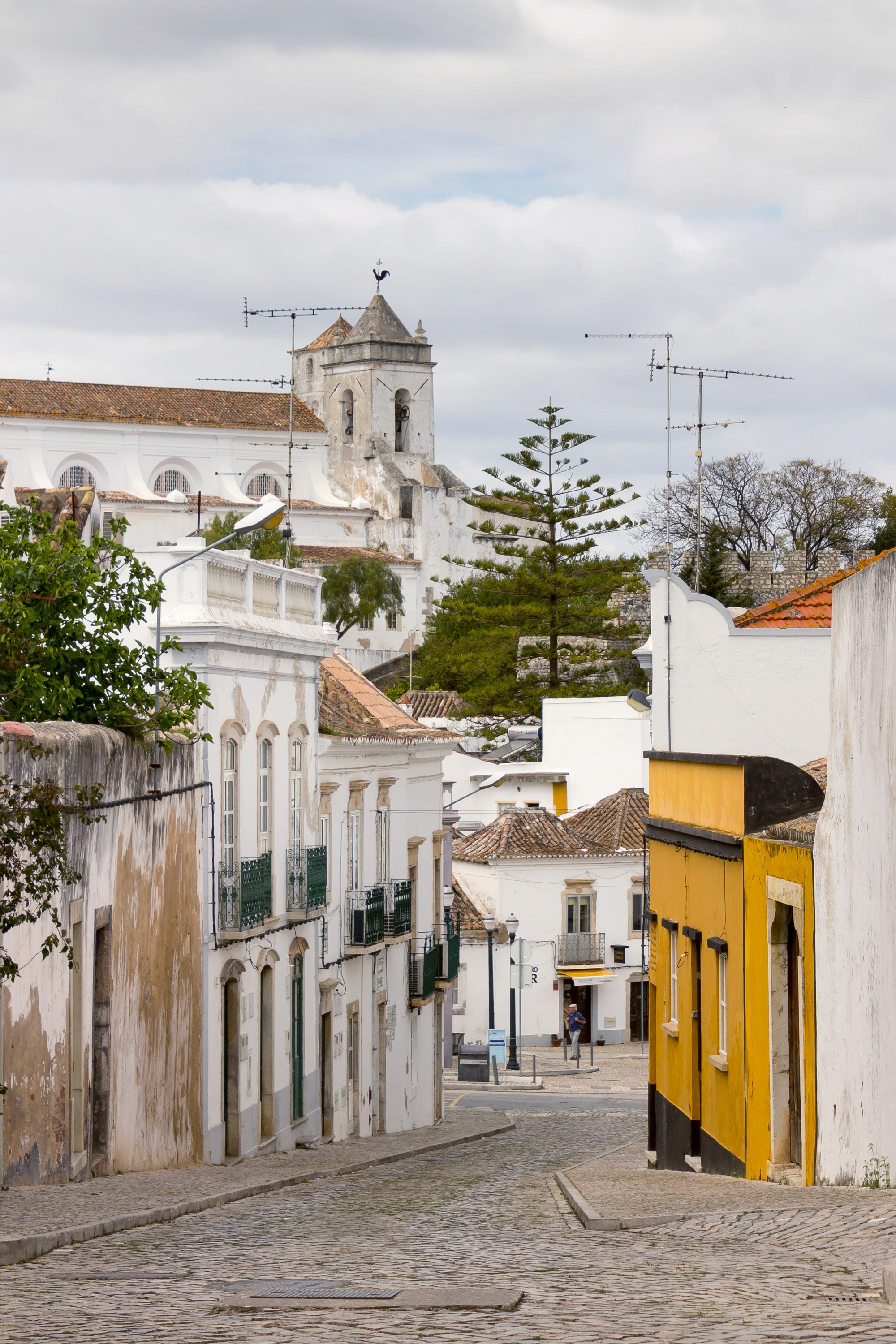
The visa creates the legal framework. The life you build afterward is the reason for the move.
Continue Exploring
Photography credits
- U.S. passport and boarding pass — Nicole Geri / Unsplash License; cropped and resized.
- December 10, 2006, Lisbon 89 — Syced / CC0 1.0; cropped and resized.
- Tavira Street 01 — Dmitry Tonkonog / CC BY-SA 3.0; cropped and resized. Adapted image licensed under CC BY-SA 3.0.

